Energy Sovereignty: A Grenadian Imperative for Geopolitical Uncertainty
As hostilities in the Middle East escalate, history teaches us that when major powers go to war, oil markets react almost immediately. Energy prices rise, shipping costs escalate and inflation follows. For the first time in nearly four years, we have witnessed crude prices smashing through the US$100 barrier. We Grenadians will pay the price for it at the pump, on our electricity bills, and in the rising cost of goods on supermarket shelves. The recent uptick in these prices can put a strain on the operational capabilities of Small and Medium Enterprises (SMEs) and the wallets of average consumers.
This is the recurring vulnerability of Caribbean small islands that remain structurally exposed to oil price shocks. Across the region, electricity generation remains heavily reliant on imported diesel and heavy fuel oil. When global supply chains tighten or geopolitical tensions disrupt energy flows, our economies shudder and the effect is cascading.
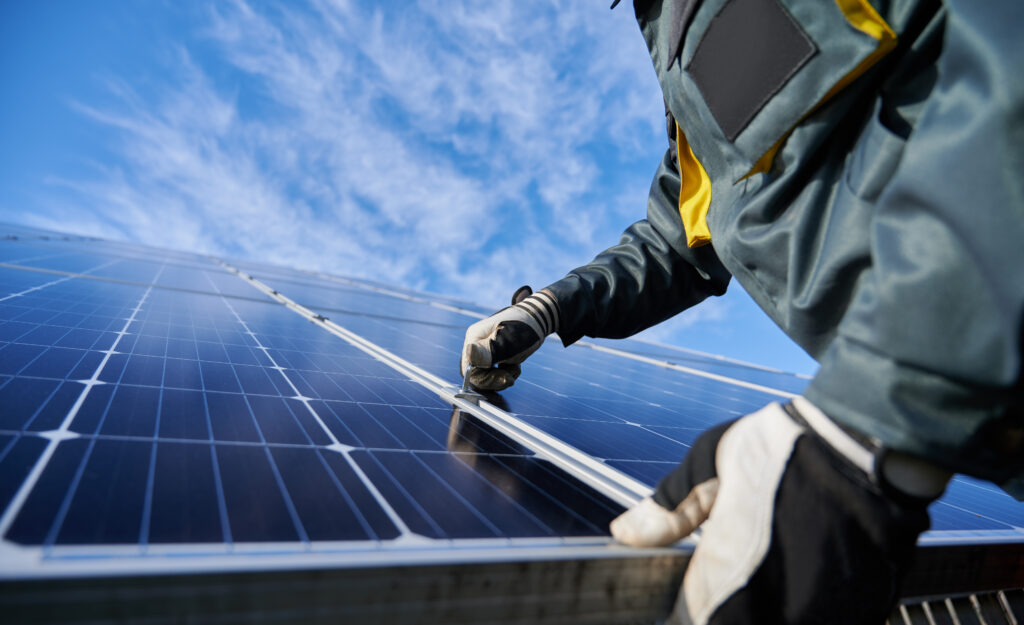
When energy systems depend overwhelmingly on imported fossil fuels, sovereignty becomes affected. Grenada though has a distinct opportunity amidst the crisis. Unlike imported oil, sunlight cannot be sanctioned. Wind cannot be locked up. Each solar farm installed and each wind turbine erected, reduces exposure to geopolitical volatility. Our islands receive consistent, high-intensity solar radiation year-round. We also have viable wind corridors that ocean-based technologies, including ocean thermal energy conversion, can tap into. Advances in battery storage and grid management now make high levels of renewable penetration technically achievable, even for small island grids. At the same time, we must better understand and collaborate to reap the benefits of potential oil and gas exploration partnerships within our territory.
The government must invest in energy independence as a matter of national urgency. The Government must accelerate regulatory reform to attract private capital into renewables. Utilities require modernization to accommodate distributed generation and storage. Regional collaboration through shared procurement, interconnection studies, and harmonized standards can reduce costs and enhance bargaining power. Development finance institutions and climate funds must be leveraged more aggressively to lower upfront capital barriers.
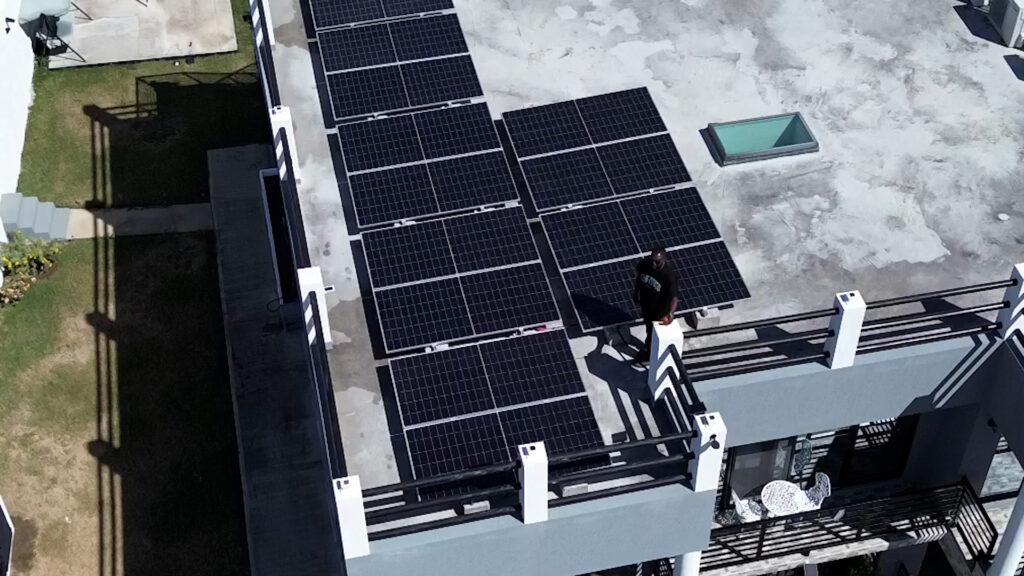
At the same time, domestic policy must ensure that the transition is socially inclusive. Energy reform should lower household bills, not merely shift ownership structures. In fact, we can empower ordinary households to benefit from the transition, selling to the grid and earning to improve their own lives. Training programs must prepare Grenadian workers for green energy jobs. Local entrepreneurship in installation, maintenance, and energy services should be incentivized as we go through this period.
Energy policy can no longer be treated as only a technical issue. It is a pillar of economic stability, fiscal sustainability, and political autonomy. We cannot dictate the trajectory of global conflicts. But we can decide how vulnerable we remain to them. Our future security requires investing boldly in the resources that fall freely from our skies, flow beneath our surface, and move across our seas.
For Grenada, energy sovereignty is not merely aspirational. It may be the determinant of our nation’s resilience in a world of geopolitical uncertainty.