
Diplomatic Junction – Another Moment That Demands Strategy, Not Silence
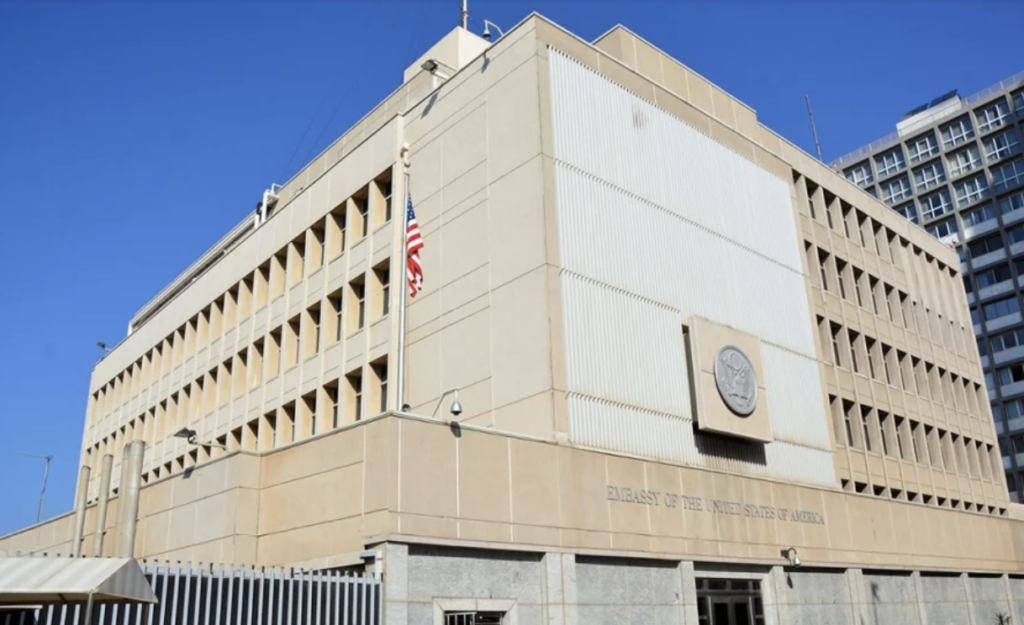
Grenada now finds itself at a delicate and consequential juncture in its international relations, one that raises serious questions about preparedness, engagement, and the overall direction of our foreign policy.
The recent inclusion of countries like Grenada in a United States US$15,000.00 visa bond programme has triggered concern across the region. For Grenada, the implications are not abstract. They are real, immediate, and deeply personal. They affect B1/B2 visa applicants which can include small business operators, families dependent on travel, and ordinary citizens seeking opportunity abroad. This is not just a policy issue. It is a people issue.
A Failure of Foresight?
One of the most troubling questions emerging from this development is simple. Why were Grenadian diplomats not forewarned?
In international relations, surprises of this magnitude are rarely accidental. Strong diplomatic engagement typically provides signals, formal or informal, long before policies are implemented.
If there was no prior awareness, it suggests one of three uncomfortable realities:
- Weak diplomatic presence or insufficient engagement
- Poor intelligence gathering within diplomatic channels
- A breakdown in communication between Grenada and key partners
None of these are acceptable.
Diplomacy is not ceremonial. It is strategic, continuous, and proactive. If we are only reacting after decisions are made, then we are already behind.
The Radar Issue and Strategic Missteps
The broader context cannot be ignored.
The handling of the U.S. radar request is part of the equation.
To be clear, sovereignty must always be protected. No nation should accept external proposals blindly. However, how we engage matters just as much as what we decide.
There is a growing perception that the Government adopted a posture of delay and tactical resistance by avoiding US Representatives, rather than proactive, strategic engagement.
That approach may have underestimated a fundamental reality. In international relations, perception shapes response. If a partner perceives disengagement, hesitation, or lack of cooperation, whether justified or not, it can influence broader policy decisions.
So the question must be asked honestly:-
Was this outcome influenced by how Grenada handled those prior engagements?
We may not have all the answers, but failing to ask the question would be irresponsible.
The Real Cost – Ordinary Grenadians
Too often, foreign policy debates remain at the level of theory. But the consequences are lived by real people.
The fisherman exporting goods, the student seeking education abroad, the entrepreneur traveling for business and families dependent on remittances. These are the people who absorb the impact when diplomatic relations weaken.
At any rate, Diplomacy must now take Center Stage. This moment calls for urgency, maturity, and above all, strategic diplomacy.
Grenada must immediately:-
- Re-engage at the Highest Levels: Direct diplomatic dialogue with the United States must be intensified, not delayed, not filtered, not reactive.
- Strengthen Diplomatic Presence: Our embassies and missions must become active centers of negotiation, intelligence gathering, and relationship building, not passive outposts.
- Adopt a Proactive Foreign Policy Framework: We must anticipate global shifts, not simply respond to them. That requires policy coordination, regional alignment, and continuous communication with major partners.
- Separate Emotion from Strategy: Public posturing cannot replace quiet, effective diplomacy. Serious issues require serious engagement.
Protect National Interest Through Partnership, Not Isolation: Grenada must be a respected partner, not a distant observer.
This is a time for Accountability and Action. It is not enough to criticize. This is a moment for correction.
If there were gaps, they must be acknowledged.
If there were missteps, they must be corrected. If there is weakness, it must be strengthened quickly.
Diplomatic failures are rarely paid for by governments. It is paid for by people.
The Way Forward
Grenada is not powerless. We are a respected nation with strong regional and international ties. But respect must be maintained through engagement, strategy, and consistency.
This situation is a warning. It is a reminder that in today’s interconnected world, diplomacy is not optional. It is essential.
Now more than ever, Grenada must rise to the moment. Engage intelligently, Act decisively and always put the people first. This is a moment for Leadership.
Dr Adrian Joseph
NNP Candidate for St George’s North West